


THE 3 BIG CATS OF THE MAASAI MARA: WHERE AND WHEN TO SEE THEM
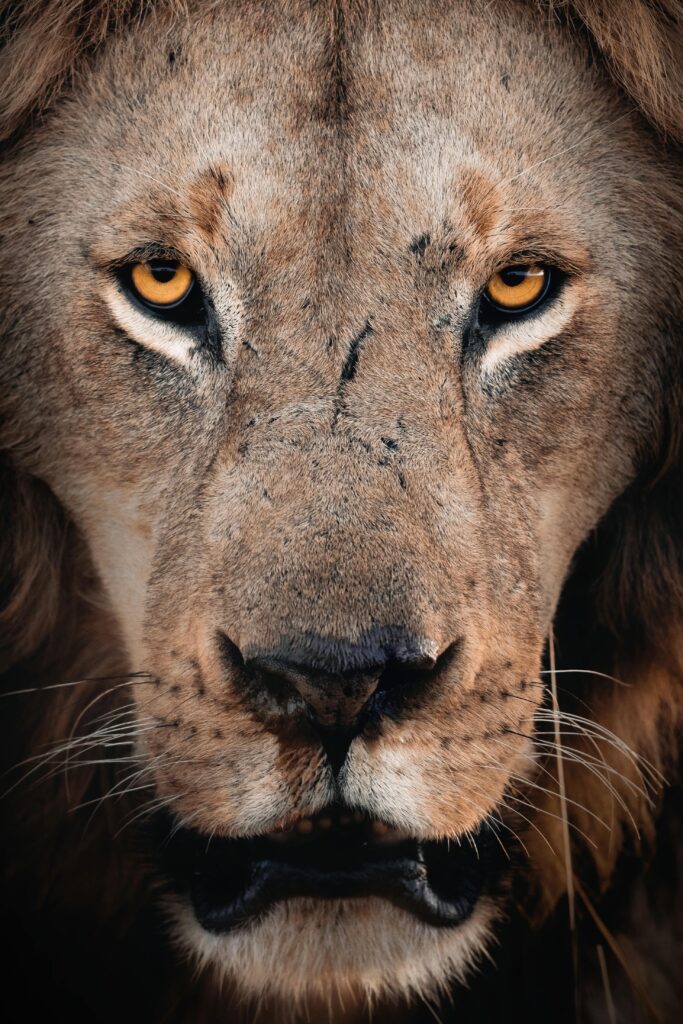
The Big Cats of the Maasai Mara are the true Kings and Queens of Kenya’s most famous safari destination. From powerful lions roaming golden plains to elusive leopards resting in acacia trees and lightning-fast Cheetahs scanning the horizon, the Maasai Mara offers one of the greatest wildlife spectacles on Earth.
If you’re planning a safari wondering where and when to see big cats in Maasai Mara, this detailed guide will help you maximize your chances of unforgettable sightings.
Why the Maasai Mara is Famous for Big Cats
The Maasai Mara National Reserve is one of Africa’s richest wildlife ecosystems. Its open savannah grasslands provide the perfect hunting ground for predators.
Three main big cats dominate the reserve:
- Lions
- Leopards
- Cheetahs
The combination of abundant prey, open landscapes and expert safari guides makes the Mara one of the best places in the world to see big cats in action.
The Lion – The King of the Mara
Lions in the Maasai Mara
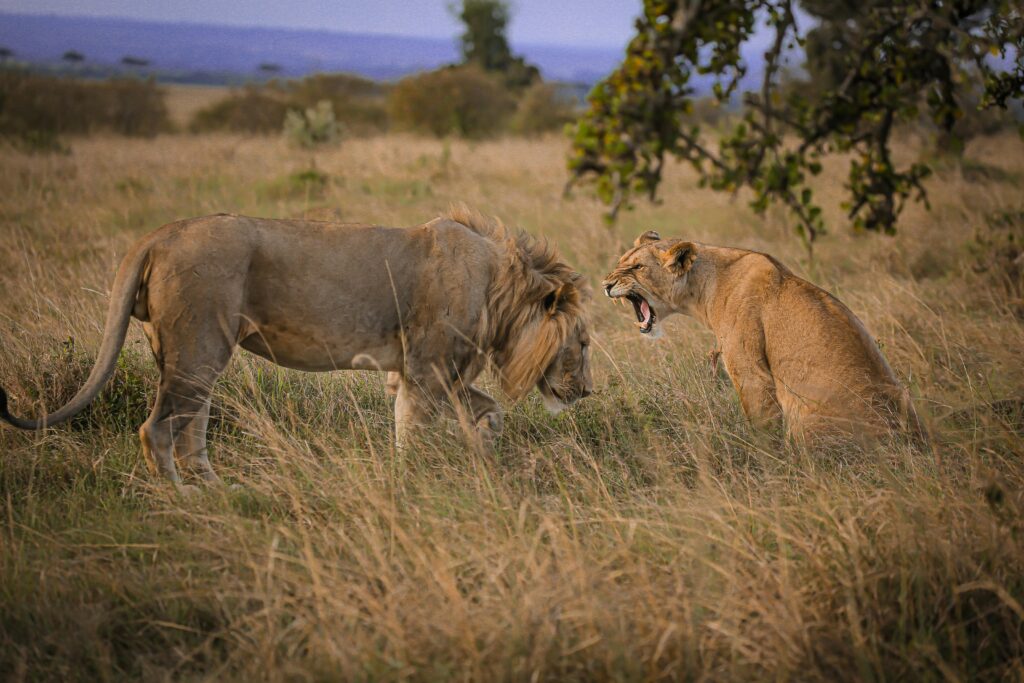
Few sounds in Africa are as powerful as a lion’s roar echoing across the plains at dawn.
Lions are not just predators, they are rulers. In the Maasai Mara National Reserve, lions dominate the open savannah in powerful family units called prides. A single male can weigh over 180 kg, his mane flowing like a crown as he surveys his territory.
But what makes lions truly fascinating is their social structure. Unlike other big cats, lions live and hunt together. Lionesses coordinate attacks with precision, while males defend territory fiercely against rivals.
When you see a pride resting under an acacia tree or stalking silently through tall grass, you’re witnessing raw, ancient power.
Why they’re unforgettable
- Deep thunderous roar heard up to 8 km away
- Group hunting strategies
- Dramatic dominance battles
Lions are the most commonly seen of the Big Cats of the Maasai Mara.
Where to see Lions
- Musiara Marsh area
- Paradise Plains
- Around the Mara River
These regions support large prides that hunt wildebeest, zebras and buffalo.
Best Time to See Lions
- Early morning (6:00 AM – 9:00 AM)
- Late afternoon (4:30 PM – sunset)
Lions are most active during cooler hours. Midday sightings usually involve resting prides under trees.
During the Great Migration, lion activity increases dramatically as prey becomes abundant.
The Leopard – The Silent Phantom
Leopards in the Maasai Mara
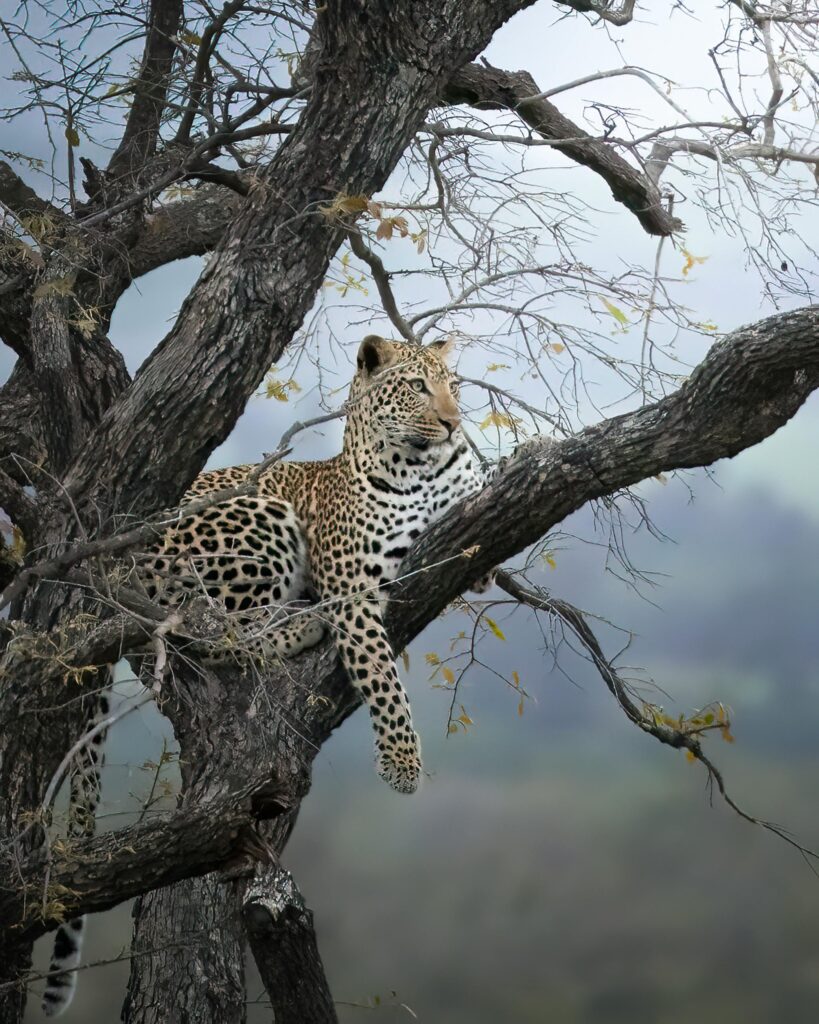
If Lions are Kings, Leopards are ghosts.
Solitary, elusive and breathtakingly beautiful, leopards are the most mysterious of the Big Cats of the Maasai Mara. Their golden coats, marked with black rosettes allow them to disappear into trees and shadows.
Leopards are masters of stealth. They drag prey into trees to protect it from scavengers and often rest on thick branches during the heat of the day.
Seeing a leopard is not just a sighting, it feels like a privilege.
You don’t find a leopard.
A leopard allows you to see it.
Why they’re unforgettable:
- Incredible tree-climbing ability
- Nocturnal hunting skills
- Hypnotic amber eyes
Where to See Leopards
- Riverine forests near the Mara River
- Serian and Rekero camp areas
- Tree-dense regions with thick vegetation
Leopards prefer solitude and often rest on tree branches during the day.
Best Time to See Leopards
- Early morning
- Just before sunset
They are shy and mostly hunt at night, but experienced guides know specific territories where leopards frequently appear.
The Cheetah – The Speed of the Savannah
Cheetahs in the Maasai Mara

Built for acceleration, Cheetahs are the fastest land animals on Earth, reaching speeds up to 100 km/h in short bursts.
Unlike lions and leopards, cheetahs are slender and lightweight, designed for speed rather than strength. Their black “tear marks” help reduce glare from the sun as they scan plains for prey.
When a Cheetah locks onto a gazelle, everything goes silent – and then suddenly explodes into motion.
Dust rises. Birds scatter.
And within seconds, the chase is over.
Watching a Cheetah hunt is one of the most thrilling experiences in the Maasai Mara.
Why they’re unforgettable:
- Fastest land animal
- Daytime hunters
- Intense, heart – racing chases.
Where to See Cheetahs
- Open grasslands of the central Mara
- Lookout Hill area
- Border regions toward the Serengeti ecosystem
Cheetahs prefer flat terrain where they can sprint after prey.
Best Time to See Cheetahs
- Mid-morning
- Late afternoon
Unlike lions, cheetahs are more active during daylight hours.
When Is the Best Time to See Big Cats in Maasai Mara?
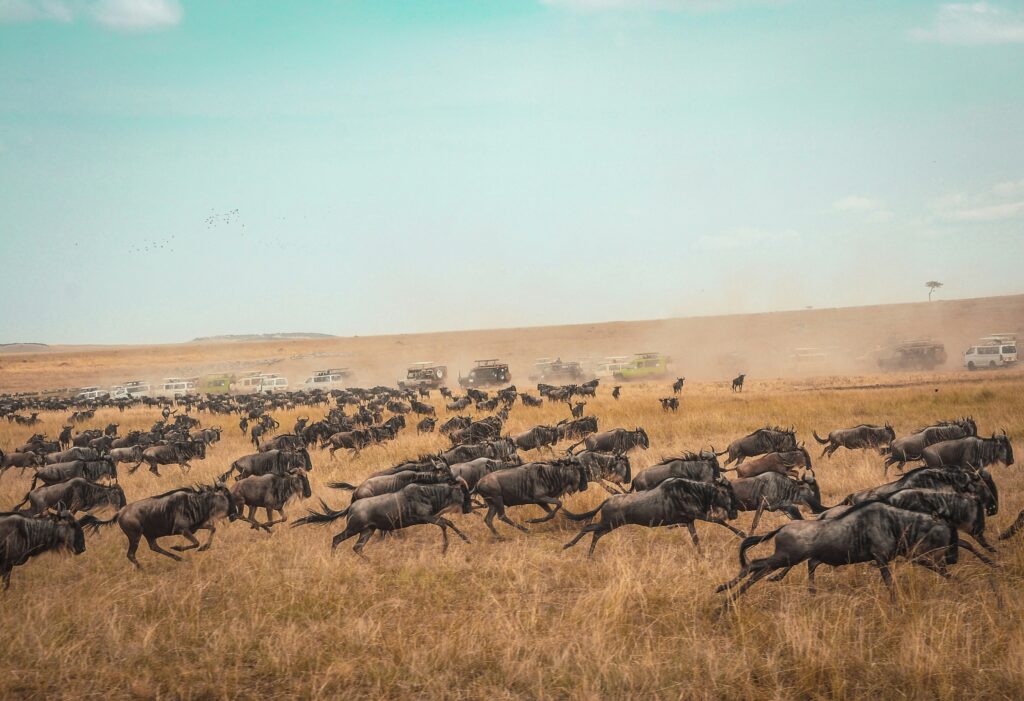
Understanding when to see big cats in Maasai Mara is crucial.
July to October (Peak Season)
- Great Wildebeest Migration
- Highest predator activity
- Dramatic river crossings
- Increased hunting opportunities
January to March
- Fewer tourists
- Excellent predator sightings
- Clear photography conditions
April and May (Rainy Season)
- Fewer vehicles
- Lush scenery
- Wildlife still present but slightly harder to track
For the highest concentration of action, July to October is ideal.
Best Areas for Big Cat Sightings
Certain areas are known hotspots:
- Musiara Marsh
- Talek Region
- Paradise Plains
- Mara River Basin
Private conservancies surrounding the reserve often offer less crowded, exclusive sightings.
Tips to Maximize Big Cat Sightings
To increase your chances of seeing the Big Cats of the Maasai Mara:
- Book early morning game drives
- Stay at lodges near wildlife hotspots
- Choose experienced safari guides
- Visit during migration season
- Spend at least 3-4 days in the reserve
Patience is key, but the reward is extraordinary.
How to Act Around Big Cats on Safari
When viewing the Big Cats of the Maasai Mara, safety and respect are essential.
1. Stay Inside the Safari Vehicle
Never stand up suddenly or attempt to leave the vehicle. Big Cats are comfortable with safari vehicles but may react unpredictably to unusual movement.
2. Keep Noise to a Minimum
Avoid Shouting, clapping or sudden loud sounds. Silence increases your chances of natural behaviour sightings.
3. Follow your Guide’s Instructions
Professional guides understand animal behaviour and know safe distances.
4. Do not Attempt to Feed or Attract Wildlife
Feeding wild animals is illegal and dangerous.
5. Respect Their Space
Even though lions may appear calm, they are powerful predators capable of explosive speed.
Responsible tourism protects both wildlife and visitors.
Photography Tips for Big Cat Encounters
If you’re a wildlife photographer:
- Bring a 200 – 400 mm lens
- Use fast shutter speeds for Cheetahs
- Golden hour lighting enhances dramatic lion portraits
- Always respect wildlife distance guidelines
Frequently asked Questions About Big Cats of the Maasai Mara
- What big cats can you see in Maasai Mara?
Lions, Leopards and Cheetahs are the primary big cats in the reserve.
- Is it guaranteed to See big Cats in Maasai Mara?
While sightings are never 100% guaranteed, the Mara has one of the highest predator densities in Africa.
- How many days are enough to see big cats?
Three to four days significantly increase your chances.
- Are big cat safaris safe?
Yes. Safaris are conducted with trained guides who follow strict wildlife safety protocols.
Final Thoughts
The Big Cats of the Maasai Mara represent one of nature’s greatest spectacles. Whether it’s a lion pride hunting at dawn, a leopard resting high in a tree or a cheetah sprinting across the plains, the Mara delivers moments that stay with you forever.
If you’re planning a Kenyan safari, knowing where and when to see big cats in Maasai Mara will transform your experience from ordinary to extraordinary.
Leave a Reply